



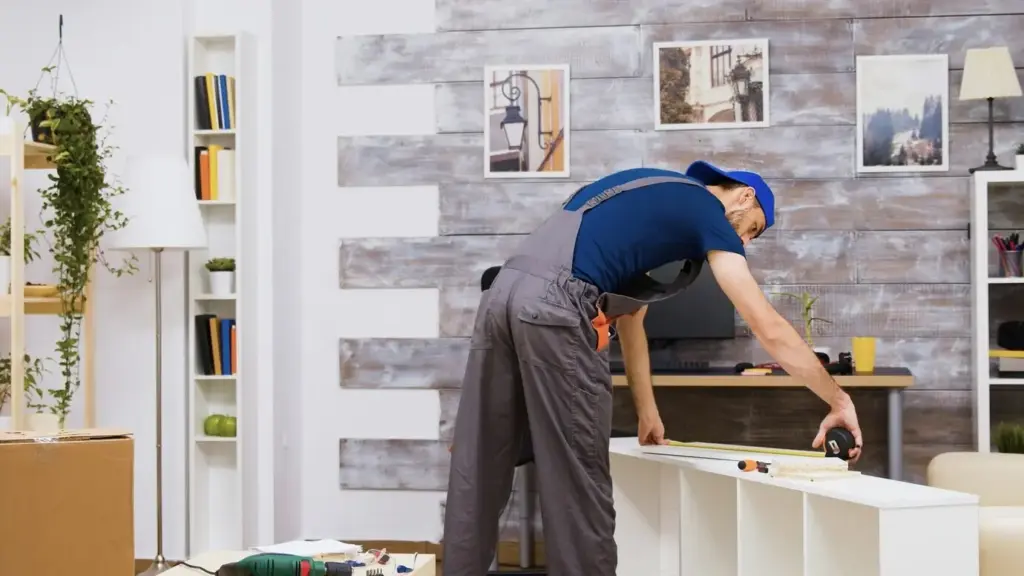

Begin by measuring what matters: sightlines, door swings, and human movement. Prioritize generous circulation and ergonomic heights over accumulating objects. When forms breathe, even modest furniture looks bespoke. A single well-scaled lounge chair and petite side table can outperform a crowded arrangement while feeling quietly gracious.
Silence visual clutter and soften sound with wool rugs, lined curtains, felt pads, and book-filled shelves. Choose cabinet doors that close on soft hinges, dimmers that fade gently, and fabrics that invite touch. The room becomes a refuge where daily routines reset pulse and mood.
Remove one item from every surface and reassess function. Replace mass-produced pieces with one enduring upgrade—perhaps a solid wood top or a linen slipcover. Elevation follows subtraction, revealing space for light, movement, and rituals that anchor your schedule with graceful predictability.
Run your hand along edges that are eased, not sharp. Choose textiles with dry, breathable textures that age handsomely. When touch feels trustworthy—solid drawer boxes, leather pulls, oiled wood—small spaces communicate abundance, because every interaction affirms care, craft, and intentional stewardship of resources.
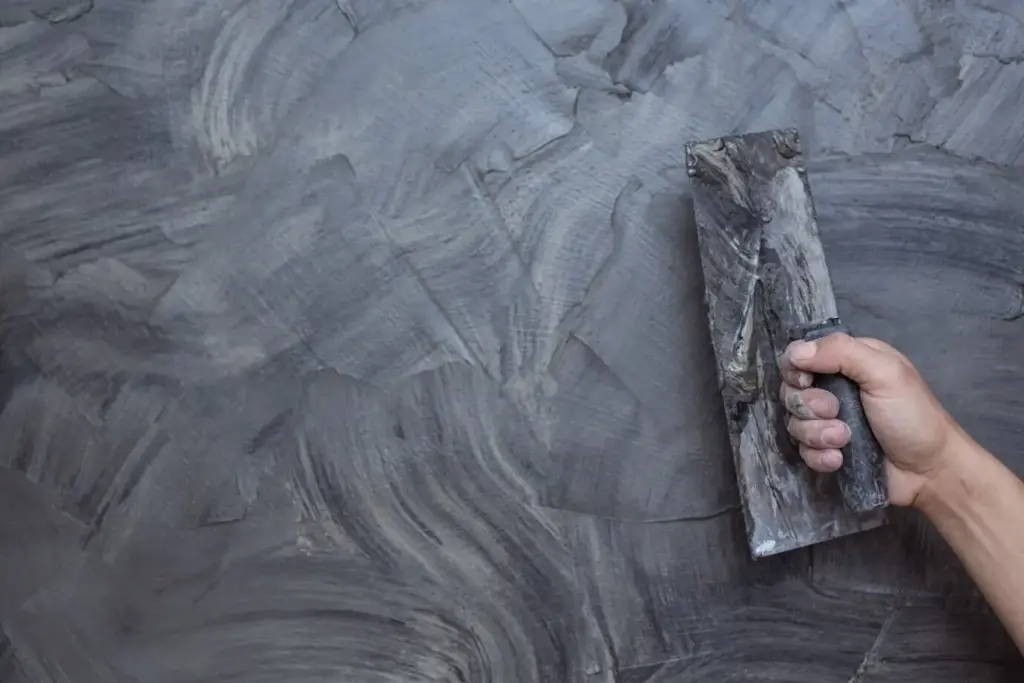
Select finishes that bounce light softly without sparkle: limewashed plaster, satin ceramics, brushed metals. In close quarters, micro-reflections can feel frenetic, while velvety diffusion relaxes the eye. Pair pale floors with darker, grounded millwork to balance lift and anchoring weight for steady composure.
Permit patina to tell time with dignity. Unlacquered brass, oiled wood, and mineral paints evolve, inviting maintenance rituals that connect you to home. Durability meets poetry when wear patterns narrate care, not neglect, creating meaning that no synthetic perfection can equal.


Test colors vertically and at night, not just on horizontal swatches. Seek nuanced neutrals with subtle undertones—mushroom, oat, fog—that shift gracefully through the day. Pair with natural blackened metals and ivory textiles for contrast that reads gentle, not stark, sustaining long-term ease.

Invite shadow by layering textures rather than patterns: ribbed wood, open-weave linen, clay tiles, wool felt. In tight rooms, texture offers interest without clutter. The hand lingers, the eye rests, and your small refuge gains character measured in touch and time.

Compose a single vignette per wall plane, perhaps a ceramic bowl on a plinth or one framed photo over a console. Negative space does the heavy lifting. Editing shows confidence, and confidence reads as comfort, generosity, and quiet, adult serenity.


All Rights Reserved.