

Quiet Luxury Materials for Compact Homes

Today we explore high-end material palettes for compact homes—honed stone, warm wood, and natural textiles. Discover how tactile surfaces, nuanced tones, and time-honored craftsmanship can enlarge perception, soften light, and elevate daily rituals without visual noise. Expect practical specifications, budget-smart sourcing, and stories from small-space projects that feel serene, resilient, and deeply personal. Share your questions and ideas; let’s build a collected, calm interior language that respects square footage and celebrates touch.

Why Tactility Matters in Small Footprints

In tight plans, materials carry disproportionate weight because the hand, eye, and ear read every surface up close. Honed stone diffuses glare, warm wood stabilizes tone, and natural textiles soften acoustics. Together they build visual continuity, micro-contrast, and comfort that encourages slower living, clearer storage habits, and more restorative routines.

Human-Scale Luxury

Luxury in compact homes begins at the palm and underfoot. A satin-like stone finish resists fingerprints, oiled oak warms bare feet, and wool throws invite lingering. When surfaces reward touch, inhabitants unconsciously tidy, breathe slower, and treat small dimensions as deliberate rather than limiting.
Light, Sheen, and Distance

Gloss rejects proximity by broadcasting reflections, while honed or leathered stone accepts light and short viewing distances with a calm, velvety read. Pair it with matte-finished timber and open-weave linen to maintain depth without glare, letting windows, art, and foliage hold the brightest accents.

Acoustic Softness

Small rooms amplify clatter. Wool rugs, linen drapery, and textured upholstery temper high-frequency bounce, allowing stone and wood to star as quiet backdrops, not echo chambers. Breakfast conversations mellow, doors sound solid, and neighbors fade, improving perceived privacy without bulky panels or expensive architectural interventions.


Honed Stone: Calm, Durable, and Light-Friendly

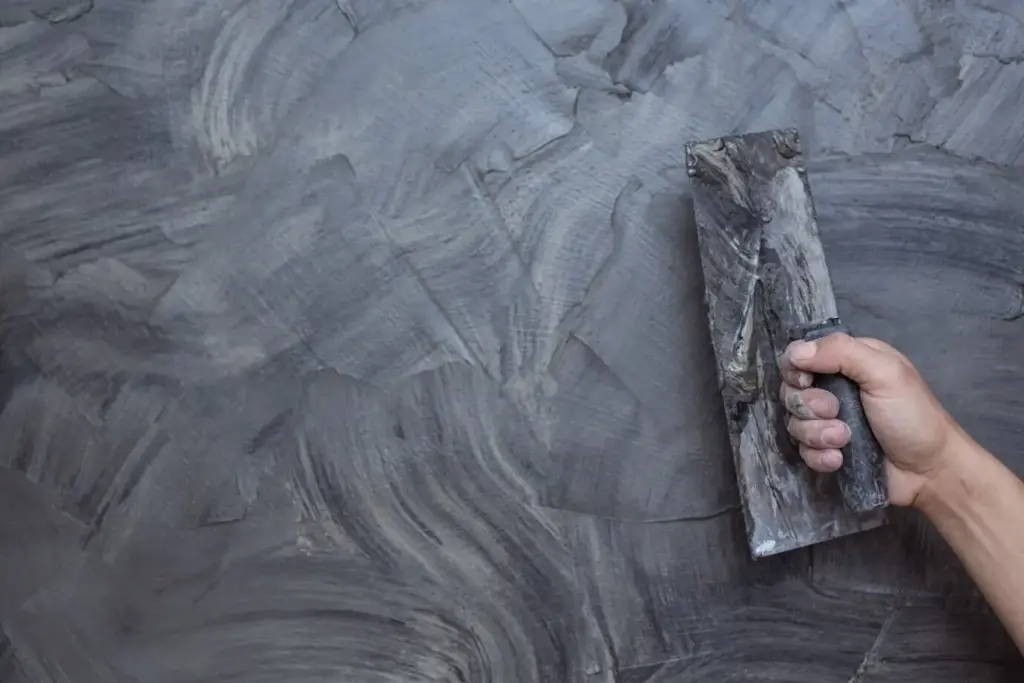
Moving from polished to honed changes everything in a compact plan. The surface reads softer, seams recede, and chips feel less catastrophic. Consider limestone, marble, quartzite, or sintered slabs, chosen for tone and hardness. Edge profiles, integrated details, and thoughtful sealing routines determine longevity and grace.

Selecting Species and Tone

For north light, creamy limestone or pale marble brightens without glare; in sunlit rooms, taupe or gray quartzite resists etching and balances warmth. Sample large pieces, wet and dry, near floors and textiles to judge undertone shifts, veining scale, and how grout or cabinetry colors interact.

Edges, Thickness, and Integrated Features

Thin 20 millimeter slabs with eased edges feel contemporary and visually light. Waterfall gables can frame galley kitchens, while integrated drainboards and coved backsplashes minimize visual clutter. Ask fabricators about mitered returns, reinforcement at spans, and shadow reveals to keep profiles crisp without adding mass.

Care, Sealing, and Patina

Honed finishes accept minor etches as character. Seal annually or as manufacturer recommends, clean with pH-neutral soap, and embrace trivets for heat. Keep a poultice on hand for oil stains. Share your maintenance wins in the comments to help others build confidence with living surfaces.

Color Harmony and Contrast

Pair mid-tone oak with cool limestone for gentle contrast, or deepen with walnut when textiles skew pale. Control undertones by sampling against daytime and evening light. A single species across floor and cabinetry simplifies sight lines, making small plans feel calm while still allowing layered textile expression.

Joinery That Signals Craft

Shadow gaps under counters, tight grain matching across doors, and discreet finger pulls read tailored rather than trendy. Ask your maker about solid edging, durable hinges, and serviceable finishes. These details age gracefully, reduce visual noise, and signal quiet quality every time you open a cabinet.

Sustainability and Provenance

Seek certified forests, regional species to reduce transport, and finishes you can repair. Oil-wax systems allow spot maintenance and a soft luster that complements stone. Share trusted mills or suppliers you love, helping others build ethical, coherent palettes that respect budgets, forests, and family health equally.

Natural Textiles: Depth Through Weave and Layering

Textiles do the quiet work in small spaces. Linen filters light with a dry hand, wool regulates temperature and acoustics, and cotton adds approachable comfort. Choose natural, neutral bases, then layer subtle textures. Your senses register richness without clutter, enhancing sleep, focus, and hospitality in equal measure.

One Stone, Two Woods

Using a single stone across kitchen and bath ties spaces together; pairing white oak millwork with a darker walnut accent adds depth without chaos. Keep grain directions consistent and let textiles provide variation. The result feels designed, not decorated, and makes small-footprint life beautifully coherent.

Metal Accents With Restraint

Choose one metal family—brushed brass, blackened steel, or aged nickel—and repeat it in hardware, lighting, and small furniture frames. Metals should punctuate, not dominate, lending rhythm beside wood and stone. Consistency simplifies sourcing, reduces returns, and keeps the eye moving smoothly from threshold to tabletop.

Color Temperature and Daylight

North-facing rooms want warmer woods and textiles; south-facing rooms welcome cooler stones and crisp linens. Test paint and fabric next to your stone and wood in morning, noon, and evening. Photograph samples daily for a week to confirm stability before committing to orders or custom work.

Two Compact Home Stories

Real-world projects reveal what specifications cannot. A 38-square-meter studio and a 52-square-meter one-bedroom both used honed stone, warm wood, and natural textiles, yet their priorities diverged. Note how light, storage, and lifestyle shaped their palettes, proving there are many right answers within a disciplined material language.

The Light-Catching Studio

In a south-facing studio, pale honed limestone grounded a galley kitchen, white oak floors bounced daylight, and linen sheers softened the sun. A single wool rug anchored living and sleeping. The owner writes that mornings feel spacious, and evening cooking no longer glares under task lighting.

The Cocooned One-Bedroom

For a reader who works late, dark walnut cabinetry, travertine counters, and lined wool drapery created a quiet cocoon. A dense flatweave rug stabilized acoustics. Integrated stone shelves replaced upper cabinets, making space feel deliberate. The couple reports deeper sleep and reduced screen time before bed.

What We Learned

Both homes prioritized continuous materials over novelty. Repetition strengthened calm, while textiles carried seasonal shifts. Honed finishes made cleaning feel less urgent, encouraging slower routines. Share your own before-and-afters or dilemmas below; our community’s collective testing and storytelling can save someone else months of uncertainty and returns.

Budgeting and Sourcing Without Compromise

Luxury in small spaces is about focus. Spend on touchpoints, save on volume. Remnant stone, local mills, and ready-to-ship textiles can stretch budgets. Build a sample library, track SKUs, and schedule lead times carefully so installations sequence smoothly and dust-sensitive fabrics arrive after heavy fabrication.
Zikelomurofiremuhifimone
Privacy Overview

This website uses cookies so that we can provide you with the best user experience possible. Cookie information is stored in your browser and performs functions such as recognising you when you return to our website and helping our team to understand which sections of the website you find most interesting and useful.