
Human-Scale Luxury
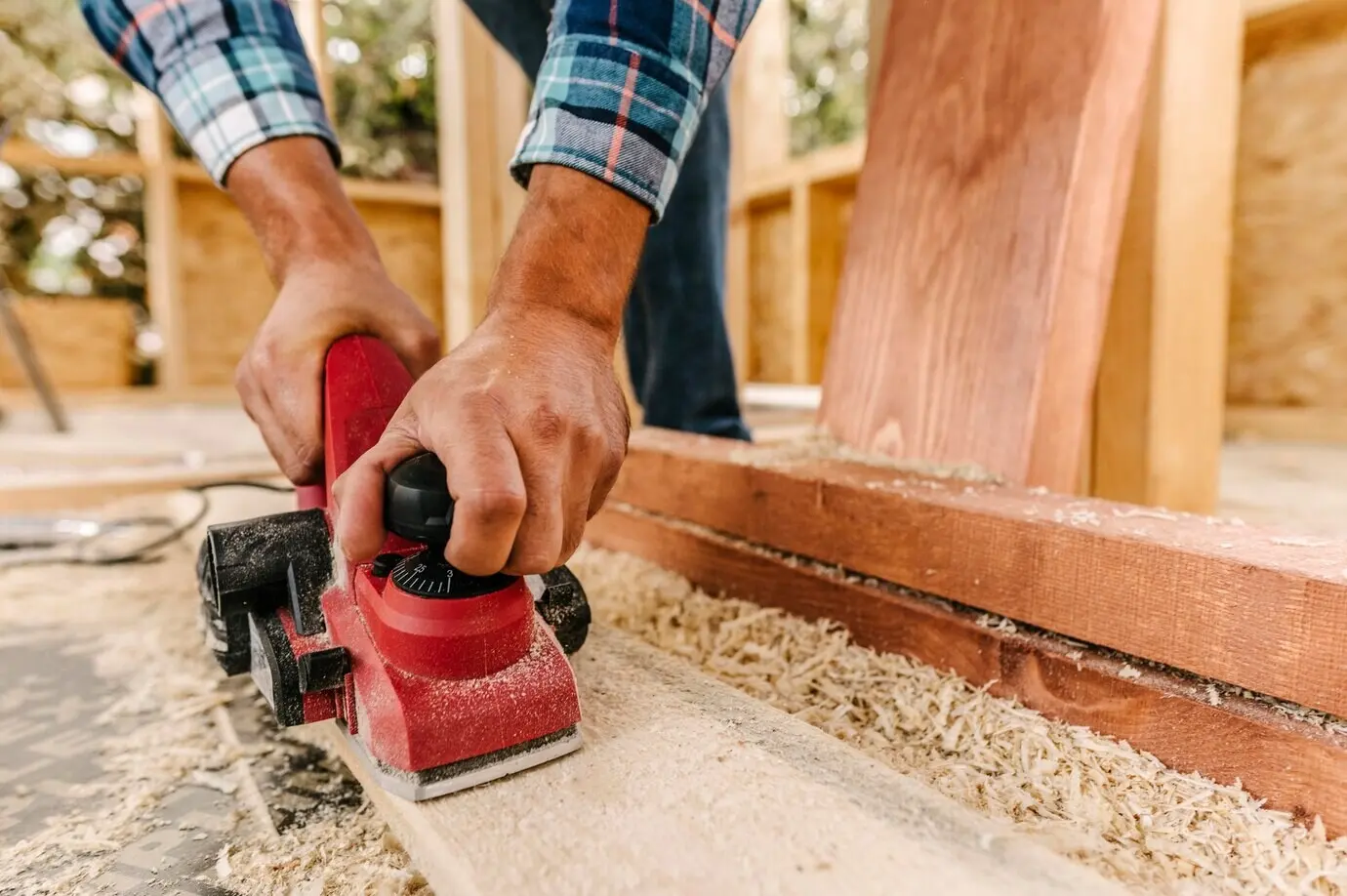
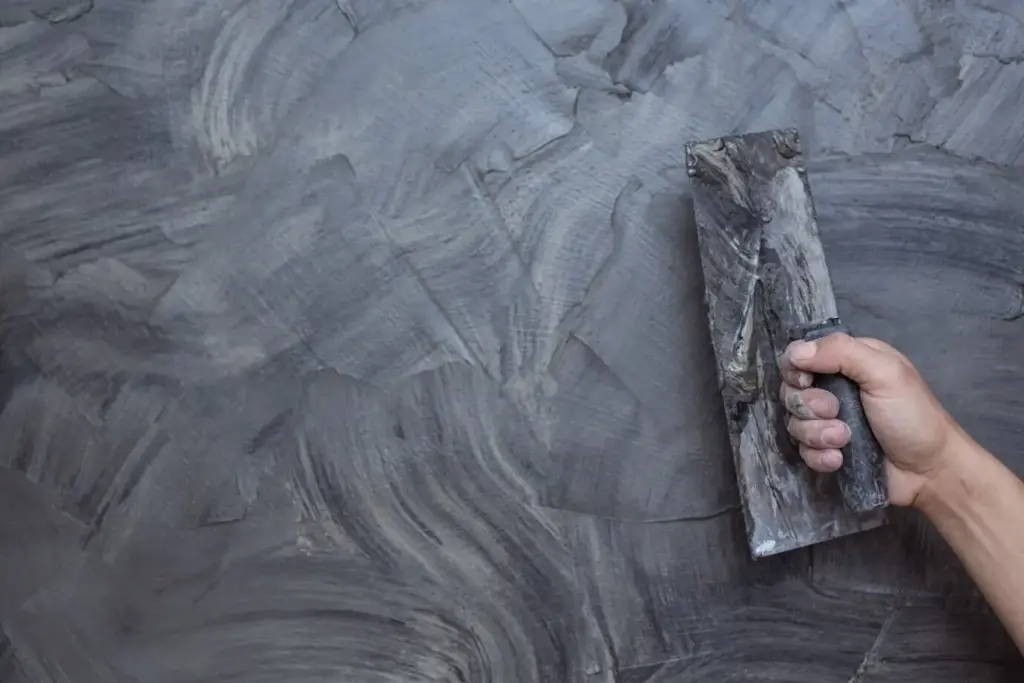
Luxury in compact homes begins at the palm and underfoot. A satin-like stone finish resists fingerprints, oiled oak warms bare feet, and wool throws invite lingering. When surfaces reward touch, inhabitants unconsciously tidy, breathe slower, and treat small dimensions as deliberate rather than limiting.
Light, Sheen, and Distance
Gloss rejects proximity by broadcasting reflections, while honed or leathered stone accepts light and short viewing distances with a calm, velvety read. Pair it with matte-finished timber and open-weave linen to maintain depth without glare, letting windows, art, and foliage hold the brightest accents.

Acoustic Softness
Small rooms amplify clatter. Wool rugs, linen drapery, and textured upholstery temper high-frequency bounce, allowing stone and wood to star as quiet backdrops, not echo chambers. Breakfast conversations mellow, doors sound solid, and neighbors fade, improving perceived privacy without bulky panels or expensive architectural interventions.